
In partnership with

Hey friend,
Lately there's been a lot of talk about Employee Ambassador programs. Companies are finally realizing that their employees are more credible than any influencer they could hire.
But there's a part of this conversation that's hardly ever discussed: compensation.
Last year, Ulta Beauty made headlines for paying store associates to create content. Not as a "fun perk." As actual compensated work. And I love that they're doing it.
But when I saw the program, my HR brain immediately started asking questions. How should companies structure this? What are the legal considerations? What does fair compensation actually look like?
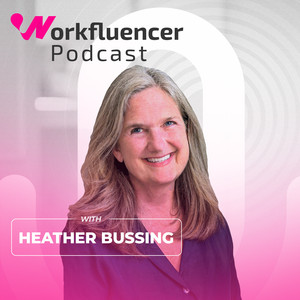
Last year I sat down with two experts on this topic: employment lawyer Heather Bussing and compensation strategist Cynthia Abbott Kerr (who literally built creator payment programs at Saks Fifth Avenue).
Here's what I learned: It's not as complicated as HR teams make it sound.
But before we dive-in, check out this week’s partner below. A simple click from you lets our partners know you read this newsletter and helps keep it free! 💖
When it all clicks.

Why does business news feel like it’s written for people who already get it?
Morning Brew changes that.
It’s a free newsletter that breaks down what’s going on in business, finance, and tech — clearly, quickly, and with enough personality to keep things interesting. The result? You don’t just skim headlines. You actually understand what’s going on.
Try it yourself and join over 4 million professionals reading daily.
Why Employee Ambassadors Are Your Best Content Creators
Your employees are already your best ambassadors. They know the products. They have the stories. They're credible in a way no influencer partnership can replicate.
But most companies either don't pay them at all, or they overcomplicate it so much that the program never launches.
Heather put it plainly:
"𝘐 𝘵𝘩𝘪𝘯𝘬 𝘵𝘩𝘦𝘴𝘦 𝘢𝘳𝘦 𝘢𝘮𝘢𝘻𝘪𝘯𝘨 𝘰𝘱𝘱𝘰𝘳𝘵𝘶𝘯𝘪𝘵𝘪𝘦𝘴 𝘢𝘯𝘥 𝘺𝘰𝘶 𝘫𝘶𝘴𝘵 𝘩𝘢𝘷𝘦 𝘵𝘰 𝘥𝘰 𝘪𝘵 𝘳𝘪𝘨𝘩𝘵. 𝘐𝘵'𝘴 𝘯𝘰𝘵 𝘵𝘩𝘢𝘵 𝘩𝘢𝘳𝘥."
Legal Considerations for Paying Employee Ambassadors
How you handle compensation depends on whether your employee creators are exempt or non-exempt.
𝗙𝗼𝗿 𝗻𝗼𝗻-𝗲𝘅𝗲𝗺𝗽𝘁 𝗲𝗺𝗽𝗹𝗼𝘆𝗲𝗲𝘀 (like retail associates in Ulta's program), Heather's advice was refreshingly straightforward: "𝘐𝘧 𝘺𝘰𝘶'𝘳𝘦 𝘥𝘦𝘢𝘭𝘪𝘯𝘨 𝘸𝘪𝘵𝘩 𝘯𝘰𝘯-𝘦𝘹𝘦𝘮𝘱𝘵 𝘦𝘮𝘱𝘭𝘰𝘺𝘦𝘦𝘴, 𝘵𝘳𝘢𝘤𝘬 𝘵𝘩𝘦𝘪𝘳 𝘵𝘪𝘮𝘦 𝘢𝘯𝘥 𝘮𝘢𝘬𝘦 𝘴𝘶𝘳𝘦 𝘺𝘰𝘶'𝘳𝘦 𝘱𝘢𝘺𝘪𝘯𝘨 𝘰𝘷𝘦𝘳𝘵𝘪𝘮𝘦 𝘢𝘯𝘥 𝘺𝘰𝘶'𝘭𝘭 𝘣𝘦 𝘧𝘪𝘯𝘦."
𝗙𝗼𝗿 𝗲𝘅𝗲𝗺𝗽𝘁 𝗲𝗺𝗽𝗹𝗼𝘆𝗲𝗲𝘀, this gets murkier. Most companies haven't figured this out yet — content creation often gets lumped into "other duties as assigned" without additional compensation. If you're an exempt employee creating content that drives results, Heather's advice is to make your value visible:
"𝘗𝘳𝘰𝘷𝘪𝘯𝘨 𝘺𝘰𝘶𝘳 𝘷𝘢𝘭𝘶𝘦 𝘪𝘴 𝘵𝘩𝘦 𝘫𝘰𝘣 𝘰𝘧 𝘦𝘷𝘦𝘳𝘺 𝘴𝘪𝘯𝘨𝘭𝘦 𝘦𝘮𝘱𝘭𝘰𝘺𝘦𝘦." Anywhere you can show you're bringing value and put money numbers on it is a persuasive argument for more compensation.
𝗧𝗵𝗲 𝗼𝘁𝗵𝗲𝗿 𝗯𝗶𝗴 𝗰𝗼𝗻𝘀𝗶𝗱𝗲𝗿𝗮𝘁𝗶𝗼𝗻? 𝗖𝗼𝗻𝘁𝗲𝗻𝘁 𝗼𝘄𝗻𝗲𝗿𝘀𝗵𝗶𝗽.
There's a common law doctrine called work-for-hire: if someone pays you to create something, they own it. That's the default. But forward-thinking companies are having real conversations instead of just grabbing rights forever:
How long can we use this content?
What happens if you leave?
How do we handle content on your personal accounts?
What's fair compensation for extended use?
Employees are learning from the creator economy. They understand usage rights. They know their worth. Meet them there.
And here's the part most companies forget: if an employee's manager isn't on board with content creation being part of their role, the whole thing backfires. As Heather said, "𝘌𝘷𝘦𝘳𝘺𝘰𝘯𝘦'𝘴 𝘦𝘹𝘱𝘦𝘤𝘵𝘢𝘵𝘪𝘰𝘯𝘴 𝘯𝘦𝘦𝘥 𝘵𝘰 𝘣𝘦 𝘴𝘦𝘵 𝘳𝘦𝘢𝘭𝘪𝘴𝘵𝘪𝘤𝘢𝘭𝘭𝘺 𝘢𝘣𝘰𝘶𝘵 𝘸𝘩𝘢𝘵 𝘵𝘩𝘪𝘴 𝘱𝘦𝘳𝘴𝘰𝘯 𝘪𝘴 𝘨𝘰𝘪𝘯𝘨 𝘵𝘰 𝘣𝘦 𝘥𝘰𝘪𝘯𝘨 𝘴𝘰 𝘵𝘩𝘢𝘵 𝘺𝘰𝘶 𝘥𝘰𝘯'𝘵 𝘦𝘯𝘥 𝘶𝘱 𝘩𝘢𝘷𝘪𝘯𝘨 𝘵𝘩𝘪𝘴 𝘦𝘹𝘵𝘳𝘢 𝘤𝘰𝘰𝘭 𝘸𝘰𝘳𝘬 𝘣𝘢𝘤𝘬𝘧𝘪𝘳𝘦 𝘪𝘯 𝘵𝘩𝘦𝘪𝘳 𝘳𝘦𝘢𝘭 𝘫𝘰𝘣."
Listen to my full conversation with Heather
How to Track Employee Content Performance
Here's where companies get stuck. Cynthia laid out the scenario:
"𝘐 𝘭𝘪𝘷𝘦 𝘪𝘯 𝘓𝘢𝘴 𝘝𝘦𝘨𝘢𝘴. 𝘐 𝘤𝘰𝘶𝘭𝘥 𝘴𝘦𝘦 𝘢𝘯 𝘢𝘥 𝘧𝘳𝘰𝘮 𝘴𝘰𝘮𝘦𝘰𝘯𝘦 𝘵𝘩𝘢𝘵 𝘸𝘰𝘳𝘬𝘴 𝘢𝘵 𝘜𝘭𝘵𝘢 𝘪𝘯 𝘚𝘦𝘢𝘵𝘵𝘭𝘦 𝘱𝘰𝘴𝘵𝘪𝘯𝘨 𝘢𝘣𝘰𝘶𝘵 𝘵𝘩𝘪𝘴 𝘭𝘪𝘱𝘴𝘵𝘪𝘤𝘬. 𝘐 𝘸𝘢𝘯𝘵 𝘵𝘰 𝘣𝘶𝘺 𝘪𝘵, 𝘣𝘶𝘵 𝘐'𝘮 𝘣𝘶𝘺𝘪𝘯𝘨 𝘪𝘵 𝘢𝘵 𝘢 𝘴𝘵𝘰𝘳𝘦 𝘪𝘯 𝘓𝘢𝘴 𝘝𝘦𝘨𝘢𝘴. 𝘏𝘰𝘸 𝘥𝘰 𝘸𝘦 𝘵𝘳𝘢𝘤𝘬 𝘵𝘩𝘢𝘵?"
Her answer? Stop trying to solve it. You're not Meta. You don't need complex attribution models or cross-store tracking.
The solution is simple: 𝗔𝗳𝗳𝗶𝗹𝗶𝗮𝘁𝗲 𝗹𝗶𝗻𝗸𝘀.
"𝘐𝘵'𝘴 𝘳𝘦𝘢𝘭𝘭𝘺 𝘤𝘭𝘦𝘢𝘳. 𝘠𝘰𝘶 𝘣𝘰𝘶𝘨𝘩𝘵 𝘪𝘵 𝘰𝘯 𝘵𝘩𝘦 𝘸𝘦𝘣𝘴𝘪𝘵𝘦, 𝘪𝘵'𝘴 𝘴𝘰𝘭𝘥, 𝘪𝘵'𝘴 𝘦𝘢𝘴𝘺 𝘵𝘰 𝘤𝘢𝘱𝘵𝘶𝘳𝘦."
Clean tracking. Clear commission. No spreadsheets required.
What Employees Need to Know About Their Pay
Cynthia dropped this truth bomb that I haven't stopped thinking about:
"𝘊𝘭𝘰𝘶𝘥𝘪𝘯𝘦𝘴𝘴 𝘢𝘯𝘥 𝘤𝘰𝘯𝘧𝘶𝘴𝘪𝘰𝘯 𝘥𝘰𝘦𝘴𝘯'𝘵 𝘪𝘯𝘤𝘦𝘯𝘵 𝘣𝘦𝘩𝘢𝘷𝘪𝘰𝘳𝘴."
Yet most companies launch creator programs with commission structures so complicated that employees need a finance degree to figure out what they're earning.
Here's what employees actually need to know:
Base rate for their regular work
Exact payment per post or commission percentage
When they'll get paid
What content qualifies
That's it. If you can't explain your creator compensation in one paragraph, it's too complicated.
How to Launch an Employee Ambassador Program
Want to launch next month? Here's the playbook from both conversations:
𝗦𝘁𝗮𝗿𝘁 𝘀𝗺𝗮𝗹𝗹.
Pick five products you want to move and test with those. Not your entire catalog.
𝗣𝗿𝗼𝘃𝗶𝗱𝗲 𝗮 𝗰𝗲𝗹𝗹 𝗽𝗵𝗼𝗻𝗲 𝘀𝘁𝗶𝗽𝗲𝗻𝗱.
In California, you have to provide a stipend for employees using their phone for work. Cynthia recommends making this universal.
𝗨𝘀𝗲 𝗮𝗳𝗳𝗶𝗹𝗶𝗮𝘁𝗲 𝗹𝗶𝗻𝗸𝘀.
Let employees be affiliates through TikTok Shop or similar platforms. Clean tracking, clear commission.
𝗦𝗲𝘁 𝘀𝗶𝗺𝗽𝗹𝗲 𝗴𝘂𝗶𝗱𝗲𝗹𝗶𝗻𝗲𝘀.
Create content in appropriate settings. Follow brand guidelines. Disclose employment relationship. No inappropriate content.
𝗠𝗮𝗸𝗲 𝗶𝘁 𝗼𝗽𝘁𝗶𝗼𝗻𝗮𝗹.
As Cynthia said:
"𝘛𝘩𝘦𝘳𝘦'𝘴 𝘢 𝘸𝘩𝘰𝘭𝘦 𝘰𝘵𝘩𝘦𝘳 𝘤𝘳𝘰𝘱 𝘰𝘧 𝘱𝘦𝘰𝘱𝘭𝘦 𝘸𝘩𝘰 𝘢𝘳𝘦 𝘭𝘪𝘬𝘦, 𝘐 𝘥𝘰𝘯'𝘵 𝘸𝘢𝘯𝘵 𝘵𝘰 𝘤𝘳𝘦𝘢𝘵𝘦 𝘢𝘯𝘺 𝘤𝘰𝘯𝘵𝘦𝘯𝘵. 𝘐 𝘫𝘶𝘴𝘵 𝘸𝘢𝘯𝘵 𝘵𝘰 𝘤𝘰𝘮𝘦 𝘵𝘰 𝘸𝘰𝘳𝘬 𝘢𝘯𝘥 𝘸𝘰𝘳𝘬, 𝘸𝘩𝘪𝘤𝘩 𝘪𝘴 𝘱𝘦𝘳𝘧𝘦𝘤𝘵𝘭𝘺 𝘧𝘪𝘯𝘦."
Listen to my full conversation with Cynthia:
Why Employee Content Programs Are Worth the Investment
Your employees are already your best brand ambassadors. They're already creating content about their work lives. The question isn't whether to embrace this, it's how to do it right.
Companies like Ulta aren't just paying for videos. They're investing in authentic storytelling that no agency could replicate. And they're doing it legally, ethically, and sustainably.
Because when you treat content creation as the valuable work it is, everyone wins.
Want to Go Deeper?
I've compiled all my episodes on employee creator compensation into one playlist:
𝗜 𝗵𝗮𝘃𝗲 𝗮 𝗾𝘂𝗲𝘀𝘁𝗶𝗼𝗻 𝗳𝗼𝗿 𝘆𝗼𝘂: If your company currently compensates employees for creating content, I'd love to hear what's working. What does your program look like? What would you do differently?
Hit reply and let me know. I'm genuinely curious, and your insights might make it into a future episode.
Until next time. 💖
That’s it for this week.
As always, I hope you enjoyed this issue! Please share it with a friend or co-worker 💖
And don’t forget to say hi on LinkedIn 👋🏾
Thanks for reading!